
Transforming Waste into Wonder

How MIT Westgate is Building a Composting Community
Waste management remains a pressing challenge for many communities, with food scraps and organic waste often ending up in landfills. MIT Westgate is changing this narrative by fostering a composting community that turns waste into valuable resources. Through Hack the Trash hands-on workshops and their accessible compost systems, Westgate residents are learning how to reduce their waste and contribute to a healthier environment.

Bringing Composting to Westgate Households
The initiative began with Hack the Trash and Ysabel Ledesma in charge of Sustainability and a community group dedicated to reducing waste through practical solutions. They organized a workshop specifically for Westgate households, focusing on how to compost effectively at home. The workshop included demonstrations on using the Core Zero compost systems, which are compact, user-friendly units designed for household use.

Fifteen Core Zero compost systems were distributed to participating households. These systems allow residents to compost kitchen scraps such as vegetable peels, coffee grounds, and eggshells without the mess or odor often associated with composting. The workshop emphasized simple steps to maintain the compost, such as balancing green and brown materials and turning the compost regularly.
Engaging the Next Generation with Worm Composting
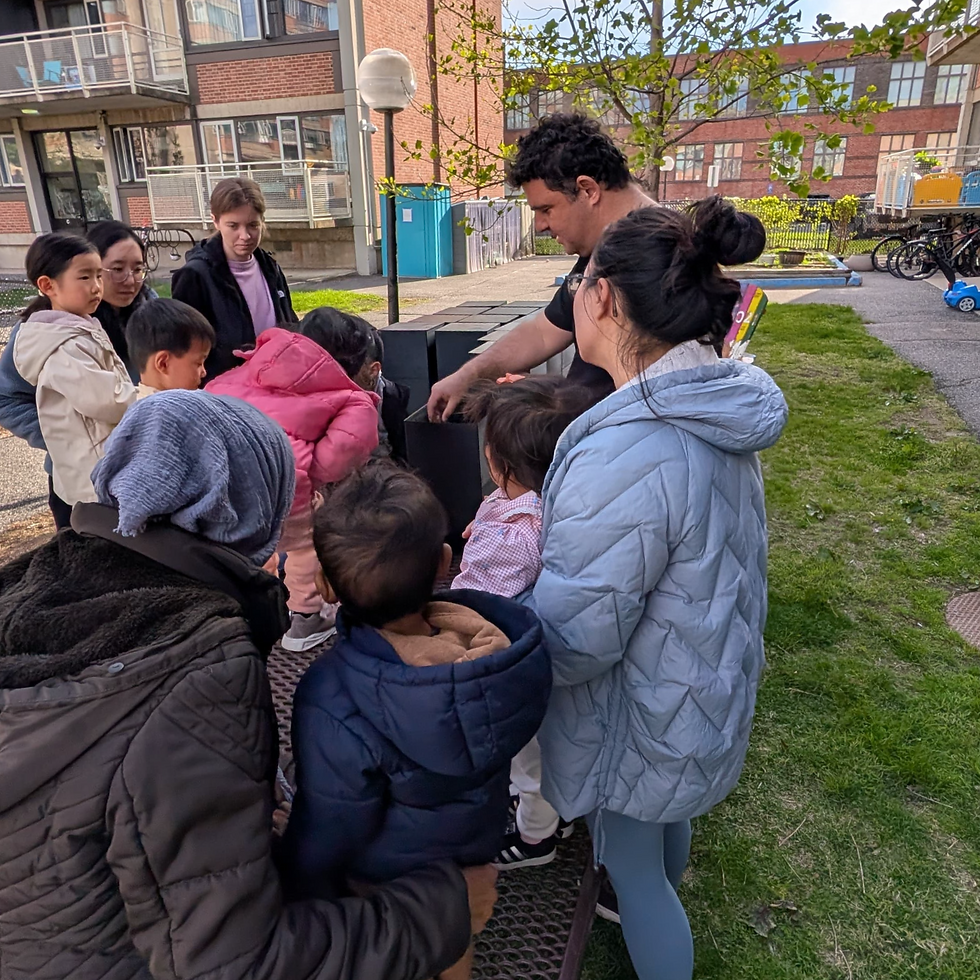
One of the most memorable parts of the workshop was the introduction of vermicomposting, which uses worms to break down organic waste faster. Children were invited to observe the worms up close, sparking curiosity and excitement about how these tiny creatures help reduce waste.
This hands-on experience helped kids understand the natural process of decomposition and the benefits of composting. It also encouraged families to involve their children in sustainable practices at home, making composting a shared activity that supports environmental education.
Community Composting with Humi
Beyond individual households, the Westgate community also gained access to a larger compost system called Humi, an earthworm compost system from Brazilian company Morada da Floresta. This system is designed for indoor and outdoor use and can handle composting on a community scale. It offers an opportunity for residents who may not have space for home composting to participate in reducing organic waste.
The Humi was set up in a communal area, inviting interested community members to contribute their organic waste. This system supports a collective effort to divert waste from landfills and produce nutrient-rich compost that can be used in local gardens and green spaces.
Humi an earthworm compost system from Brazilian company, Morada da Floresta, serve Westgate community compost system.
Practical Tips for Starting Composting at Home
For those inspired to start composting, the Westgate experience offers several practical tips:
Choose the right compost system: Small units like Core Zero work well for kitchens and small spaces, while larger outdoor bins suit bigger households or community use.
Balance materials: Combine green waste (fruit and vegetable scraps) with brown waste (dry leaves, paper) to maintain compost health.
Avoid certain items: Meat, dairy, and oily foods can attract pests and should be excluded.
Turn the compost regularly: This helps aerate the pile and speeds up decomposition.
Keep it moist: Compost should be damp like a wrung-out sponge, not too dry or soggy.
By following these steps, households can reduce their waste footprint and produce compost that enriches soil and supports plant growth.
Building a Sustainable Future Together
MIT Westgate’s composting community shows how local action can make a big difference. By providing education, tools, and shared resources, the initiative empowers residents to take control of their waste and contribute to sustainability.
The success of the program lies in its inclusiveness—engaging both adults and children, offering options for different living situations, and fostering a sense of community responsibility. As more households and community members join the effort, Westgate moves closer to a zero-waste future.



Comments