
New Colors to Elevate Your Interior Design

Choosing the right colors can completely change how a room feels. When you pick colors that fit your style and environment, your space becomes more inviting and balanced. Today, I want to share how launching new color options can help you refresh your interior design while supporting eco-friendly living. These colors are inspired by nature and sustainability, perfect for those who care about the environment and want to bring that spirit into their homes.

Why Color Matters in Interior Design
Color affects mood, perception, and even how spacious a room feels. For eco-conscious people, colors that reflect nature can create a calming atmosphere and remind us of the outdoors. When you choose colors inspired by soil, plants, and natural materials, you connect your home to the environment in a meaningful way.
New color palettes designed with sustainability in mind often include:
Golden inspired by fertile soil, autumn fields, and the abundance of nature.
Mediterranean reflecting coastal landscapes, sea tones, and sun-washed villages.
Natural grounded in organic materials, forests, and earthy balance.
Signature a distinctive palette that embodies the Hack the Trash identity and mission.
Tech-Minimal clean, modern tones designed for contemporary, sustainability-focused living.

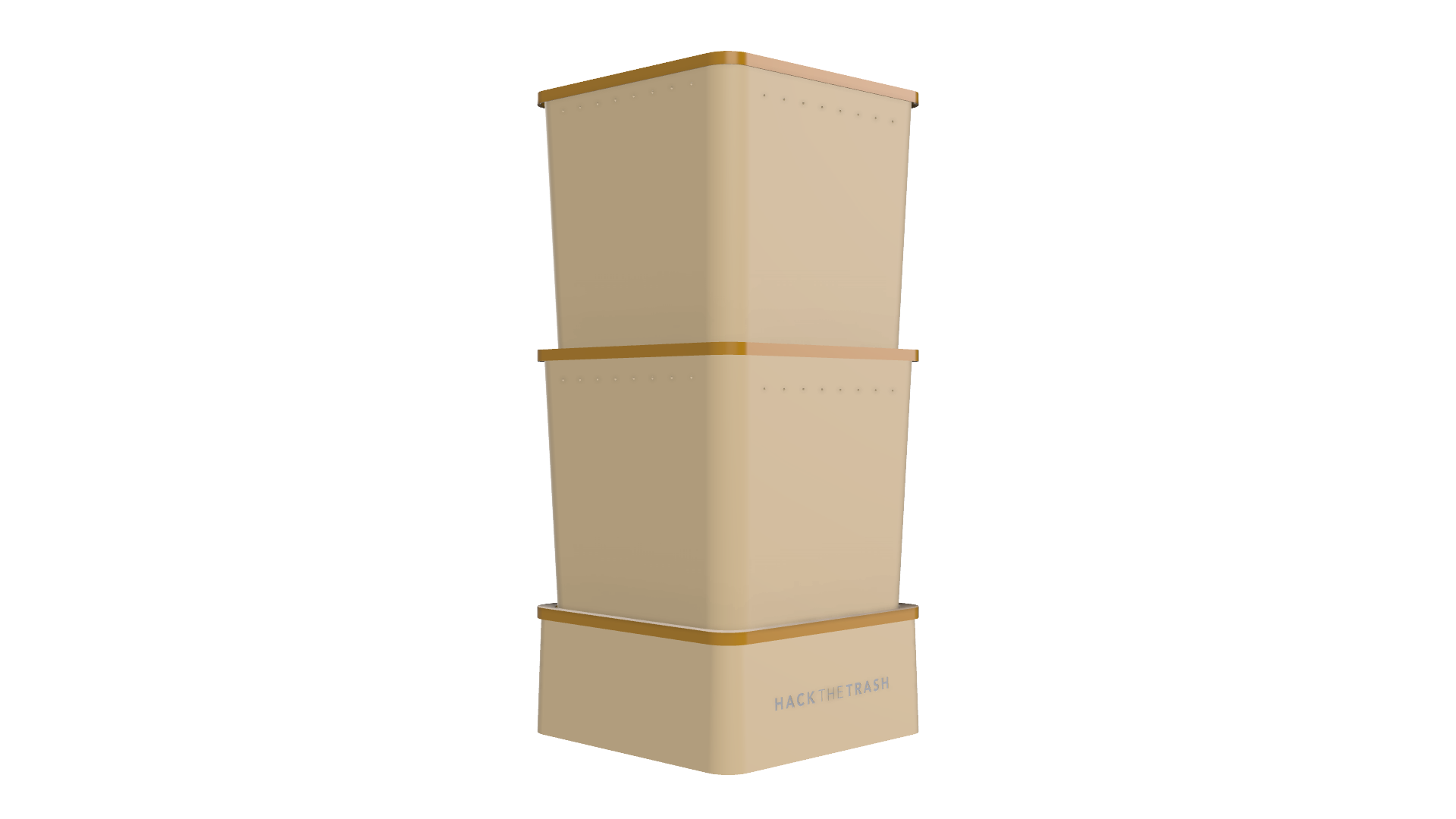


These shades work well with natural materials such as wood, stone, and recycled fabrics. They also pair beautifully with eco-friendly products like the best earthworms compost bins, which help reduce waste and nourish your garden.
How New Colors Can Complement Eco-Friendly Practices
If you practice worm composting or use earthworm compost indoor, your home’s interior can reflect that lifestyle. Imagine a kitchen painted in soft green tones that echo the freshness of your compost bin. Or a living room with earthy browns that remind you of rich worm compost soil.
Here are some ways new colors can support your eco-friendly habits:
Natural textures: Earthy colors bring out the beauty of wood furniture or stone countertops.
Create harmony with plants: Green walls or accents make your indoor plants stand out and feel part of the design.
Encourage sustainable choices: When your space feels connected to nature, you’re more likely to keep up eco-friendly habits like worm composting.
Using colors that reflect your values makes your home feel authentic and inspiring.

Tips for Choosing the Right Colors for Your Space
Selecting colors can be overwhelming, but focusing on your lifestyle and preferences helps. Here’s how to pick colors that fit your interior and eco-conscious values:
Consider natural light: Rooms with lots of sunlight can handle deeper, richer colors. Darker rooms benefit from lighter, muted tones.
Match your furniture and decor: Choose colors that complement your existing eco-friendly furniture or recycled materials.
Test samples: Paint small patches on your walls to see how colors change throughout the day.
Use accent colors: Add pops of color with cushions, rugs, or artwork inspired by nature.
For example, a soft terracotta wall pairs well with recycled wood furniture and a earthworm compost bin nearby, creating a warm, grounded space.
Bringing It All Together with Sustainable Design
Launching new colors that fit your interior design is more than just aesthetics. It’s about creating a space that supports your eco-friendly lifestyle. When you combine these colors with sustainable products like the best earthworms compost bins, you build a home that feels good and does good.
Here are some ideas to integrate new colors and sustainability:
Paint your compost area in a calming green or brown to make it a natural part of your home.
Use earth-toned textiles made from organic or recycled fibers to add warmth and texture.
Incorporate plants that thrive in your climate to enhance the natural color scheme.
These choices make your home a reflection of your values and a place where sustainability feels natural.

Comments